🔸 TLDR
▪️ org.optaplanner.core.api.score.stream.Constraint is how you encode business rules as scoring penalties (or rewards) so the solver can search for the best solution ✅
▪️ You’re not “validating once” — you’re guiding optimization continuously 🔁
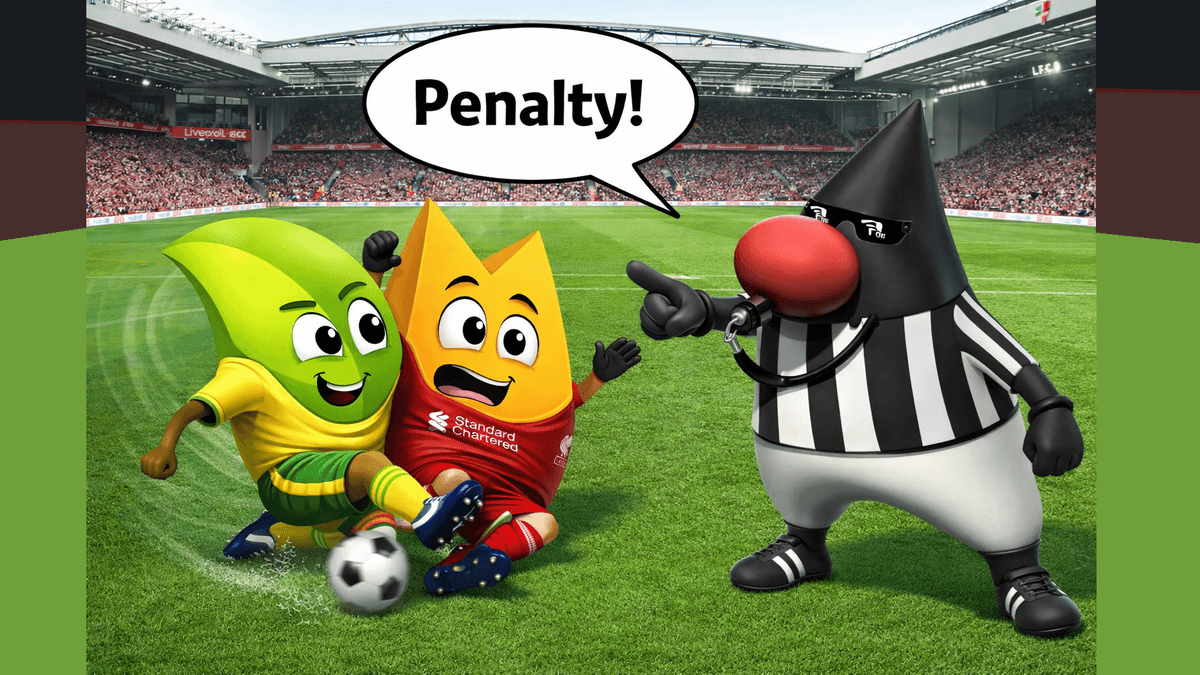
🔸 CONTEXT (WHAT A CONSTRAINT REALLY IS)
▪️ In OptaPlanner, a Constraint = a scoring rule 📏
▪️ It describes: when a solution is “bad” (or “good”) and how much it impacts the score 🎯
▪️ The solver tries to minimize penalties (and maximize rewards) while exploring many candidate solutions 🤖
🔸 QUICK SNIPPET (PENALIZE OVER-CAPACITY)
Imagine a routing/planning problem: each Visit is assigned to a Vehicle, each visit has a giftAmount, and each vehicle has a capacity.
Constraint vehicleCapacity(ConstraintFactory factory) {
 return factory.forEach(Visit.class)
 .filter(v -> v.getVehicle() != null)
 .groupBy(Visit::getVehicle, sum(Visit::getGiftAmount))
 .filter((vehicle, total) -> total > vehicle.getCapacity())
 .penalizeLong(HardSoftLongScore.ONE_HARD,
 (vehicle, total) -> total - vehicle.getCapacity())
 .asConstraint("Vehicle capacity");
}
🔸 WHAT THIS DOES (IN HUMAN TERMS)
▪️ Group all visits by vehicle 🚚
▪️ Sum the load per vehicle ➕
▪️ If load > capacity ❌
▪️ Apply a HARD penalty proportional to the overload 📉
▪️ Result: the solver “learns” that overloaded vehicles are unacceptable 🚫
🔸 WHY THIS IS POWERFUL
▪️ You express rules as streams, close to how you think about the domain 🧠
▪️ Penalties can be proportional (overload by 1 vs overload by 100 ≠ same impact) ⚖️
▪️ You can mix hard constraints (must) and soft constraints (nice-to-have) 🎛️
▪️ Score explanation becomes easier with named constraints 🏷️
🔸 TAKEAWAYS
▪️ Constraint is not Bean Validation — it’s an optimization scoring rule 🧩
▪️ Use penalize*() to encode “badness” and guide the solver 🧲
▪️ Prefer proportional penalties when “how bad” matters ⚖️
▪️ Name your constraints with asConstraint() for debugging & explainability 🔍
#OptaPlanner #ConstraintStreams #Java #Optimization #Planning #Algorithms #DDD #CleanCode #Engineering #EventDriven #Architecture
Go further with Java certification:
Java👇
Spring👇
SpringBook👇
JavaBook👇